

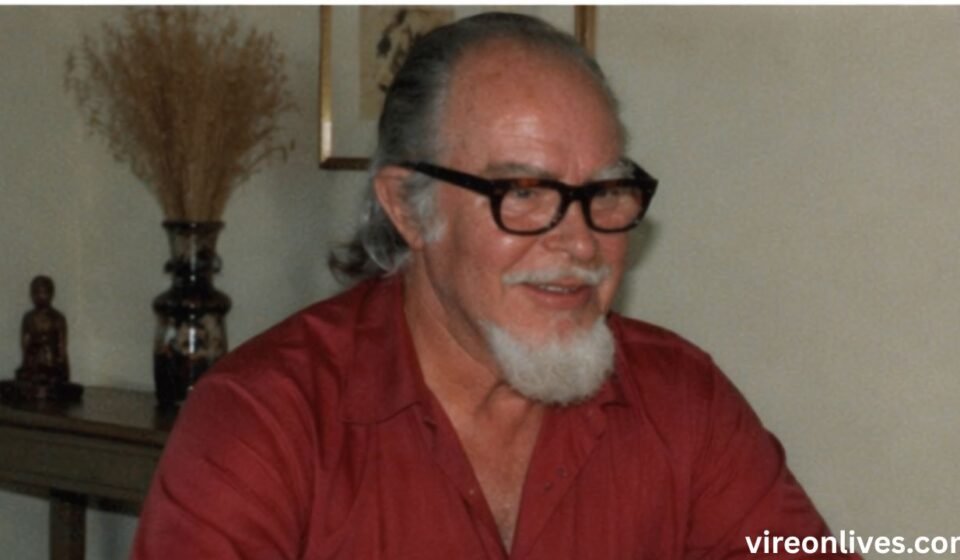

The story of Richard E. Jennings biography highlights the journey of one of the most skilled figures in British visual storytelling and comic illustration. Born in Hampstead, England, Jennings became a respected British comic book artist whose work helped shape the golden era of illustrated magazines in the United Kingdom. His career reflects the evolution of British comics history, especially during the post-war period when illustrated storytelling became a major form of entertainment for readers of all ages.
From his early education at the Central School of Arts London to his service in the RAF Air Sea Rescue service during World War II, Jennings developed a unique perspective that later influenced his artistic style. After the war, he entered the growing London comic industry, where he worked on several iconic projects including adventure, advertising, and science fiction comic strips.
He became widely recognized for his contributions as a comic strip writer and artist, working on famous series such as Storm Nelson and The Daleks. His ability to combine strong visuals with engaging storytelling made him a key figure among post war British artists. Jennings’ legacy continues to represent the creativity, resilience, and innovation that defined mid-20th-century British illustration.
Richard E. Jennings and the Golden Age of British Comics
The story of Richard E. Jennings biography is deeply connected with the growth of the British comic book artist tradition during the mid-20th century. He was not only a skilled illustrator but also a creative storyteller who helped shape the visual identity of many famous British comics.
Also Read:/sydney-lynch/
Richard E. Jennings born in Hampstead, England, Jennings grew up in a time when printed illustration and storytelling were becoming powerful tools of entertainment and education.His journey is also closely linked with the development of Eagle comic artist culture, where artists combined imagination with detailed artwork to bring stories to life.
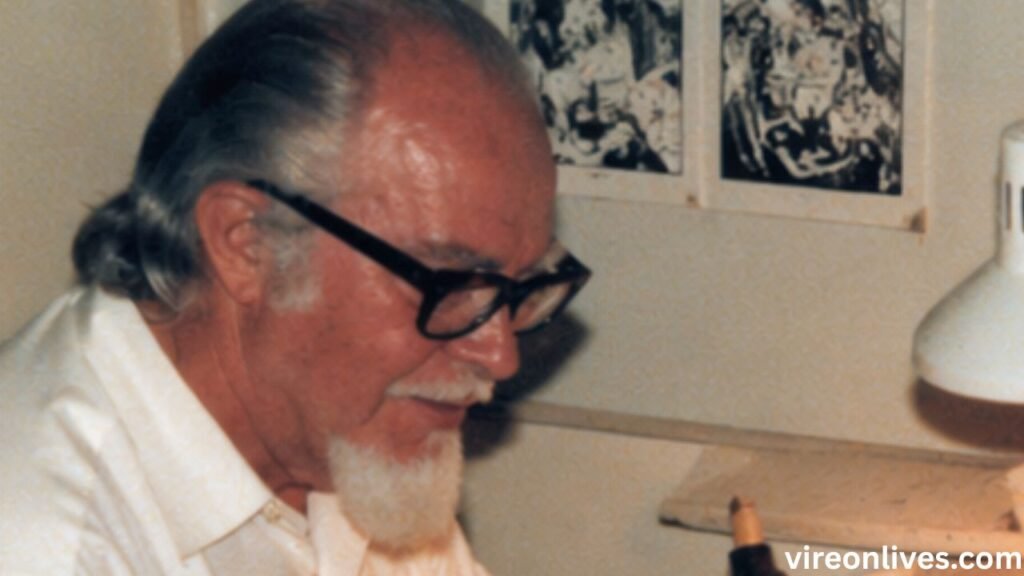
Over time, Jennings became known for his contributions as a Storm Nelson creator, a key figure in maritime adventure storytelling, and for his work on famous strips like the Tommy Walls comic strip and Daleks comic strip artist projects. His career reflects not just personal talent but also the evolution of UK comic illustrator traditions in the post-war era.
Early Life, Education, and War Experience of Richard E. Jennings
Childhood, Art Training, and World War II Influence
Richard E. Jennings was born in Hampstead, England, a place that shaped many creative minds of his generation. As a young boy, he showed strong artistic talent and later earned a place at the Central School of Arts London, one of the most respected art institutions in the UK. His early education helped him develop strong technical skills in drawing, composition, and visual storytelling, which later became the foundation of his career as a comic strip writer and artist.
Richard E. Jennings Biography:
| Attribute | Details |
|---|---|
| Full Name | Richard E. Jennings |
| Age | Born: 20 May 1921 – Died: 19 January 1997 |
| Height & Weight | Not publicly documented |
| Education | Studied art in London (Central School of Arts, early training) |
| Net Worth | Not officially recorded (worked as professional comic artist) |
| Family | Private life details not widely published |
| Business / Profession | Comic Book Artist, Illustrator (UK Comics Industry) |
However, his studies were interrupted by the outbreak of World War II service artist duties. Jennings joined the RAF Air Sea Rescue service, serving in the Middle East. This experience exposed him to real-life danger, discipline, and teamwork. Many historians believe that this period strongly influenced his later ability to draw realistic action scenes and emotional storytelling in comics.
Richard E. Jennings Post-War Struggles and Early Creative Work
After the war, Richard E. Jennings returned to civilian life and faced the challenge of rebuilding his career. Like many post war British artists, he worked in different jobs before fully entering the creative industry. He traveled across England, worked as a fisherman, and even painted public houses and hotels in Devon under a brewery company, contributing to Devon brewery artwork traditions.
He also worked as a long distance lorry driver artist, which gave him exposure to different regions and people. These experiences enriched his storytelling style and gave him a grounded understanding of everyday life. During this time, he developed strong ties with the artistic culture of London, which was becoming the center of the London comic industry in the 1950s.
Richard E. Jennings Early Life Summary Table:
| Category | Details |
|---|---|
| Birthplace | Hampstead, England |
| Education | Central School of Arts London |
| War Service | RAF Air Sea Rescue Middle East |
| Early Jobs | Fisherman, lorry driver, pub painter |
| Artistic Growth | Post-war British illustration scene |
Richard E. Jennings Breakthrough in the British Comic Industry
Entry into Eagle Comic and Rise as an Illustrator
Jennings entered the professional comic world when he joined the legendary Eagle magazine, becoming a key figure in the rise of Eagle comic artist talent during the 1950s. His first major assignment was the Tommy Walls comic strip, an advertising comic strip designed for Wall’s ice cream. This early work showed his ability to combine storytelling with commercial illustration.
Soon after, he created Storm Nelson Eagle comic, a maritime adventure series that became one of his most recognized works. As a Storm Nelson creator, Jennings worked with writer Guy Morgan to develop a sea-based hero who represented courage and exploration. This marked his transition from illustrator to full comic scriptwriter and artist.
Expansion into Major Comic Publications
During the 1950s and 1960s, Jennings expanded his work across several major publications. He contributed to Junior Mirror comics, Swift comic artist projects, and later became involved in Wham comic Tornado Jones. His ability to adapt different styles made him a versatile figure in British comics history.
He also worked on TV Century 21 comics, where he illustrated some of the earliest Daleks comic strip artist stories. These works connected him with science fiction storytelling and expanded his creative range. His contributions to illustrated books like illustrated annuals and graphic storytelling further established his reputation.
Major Works Overview Table:
| Work | Type | Year |
|---|---|---|
| Tommy Walls | Advertising strip | 1950–1953 |
| Storm Nelson | Maritime adventure | 1953–1962 |
| The Daleks | Sci-fi comic strip | 1965 |
| Tornado Jones | Adventure comic | 1964–1968 |
| Robinson Crusoe adaptation | Classic story | 1957–58 |
Artistic Style, Storytelling, and Creative Contributions of Richard E. Jennings
Visual Style and Comic Book Storytelling Approach
Jennings was known for his strong sense of comic book storytelling, where visuals and narrative worked together smoothly. His work in comic strip illustration was detailed, realistic, and emotionally expressive. He often used dramatic angles and strong character expressions to make stories more engaging.
As a skilled penciler and inker, he controlled both sketching and final detailing, giving him full artistic freedom. His ability in graphic storytelling allowed him to create dynamic action scenes, especially in maritime and adventure comics. This made his work stand out among other artists of his generation.
Themes and Creative Diversity in Richard E. Jennings Work
Jennings explored many themes in his comics, from sea adventures in Storm Nelson Eagle comic to science fiction in The Daleks TV Century 21. He also worked on adaptations like the Robinson Crusoe comic adaptation and The Lost World comic script, showing his versatility.
His creativity was not limited to adventure stories. He also contributed to humorous and educational comics, showing his flexibility in tone and audience engagement. This diversity helped him remain relevant in a rapidly changing publishing industry.
Creative Style Features List (Narrative Form)
Jennings’ work often included realistic movement, strong facial expressions, detailed backgrounds, and cinematic panel layouts. His storytelling approach focused on pacing, visual tension, and emotional depth, making each comic strip feel like a short film on paper.
Later Life, Retirement, and Artistic Legacy of Richard E. Jennings
Life After Comics and Personal Interests
In his later years, Jennings stepped away from full-time comic work and retired to Cornwall. There he became a retired artist Cornwall, continuing to paint and explore personal interests. His later life was quieter but still creative, as he focused on landscape painting and reflection.
He also developed an interest in Eastern philosophy interest, which influenced his calm artistic approach during retirement. His earlier experiences as a Yorkshire Dales painter and pub sign artist continued to shape his visual imagination.
Death and Lasting Legacy in British Illustration
Richard E. Jennings passed away in 1997 due to pneumonia death 1997, at the age of 75. Despite his passing, his influence remains strong in the world of British illustration. He is remembered as one of the important figures in British illustrator legacy, especially in the development of mid-century comic storytelling.
His contributions to British publishing industry 1950s helped shape the direction of modern comic art. Many modern illustrators still study his panel composition, storytelling flow, and character design techniques.
Richard E. Jennings Legacy Summary Table:
| Aspect | Contribution |
|---|---|
| Comics Industry | Maritime and sci-fi storytelling |
| Art Style | Realistic illustration and strong composition |
| Influence | British post-war comic development |
| Recognition | Eagle and TV Century 21 contributions |
| Retirement | Landscape and philosophical painting |
Richard E. Jennings Contribution to British Comics History and Publishing Evolution
The influence of Richard E. Jennings biography extends far beyond his individual artwork, as he played a meaningful role in shaping British comics history during a transformative period. His career developed at a time when illustrated storytelling was becoming a powerful cultural force in the United Kingdom. Publications were shifting from simple entertainment toward structured narrative experiences, and Jennings stood at the center of that change as a respected British comic book artist.
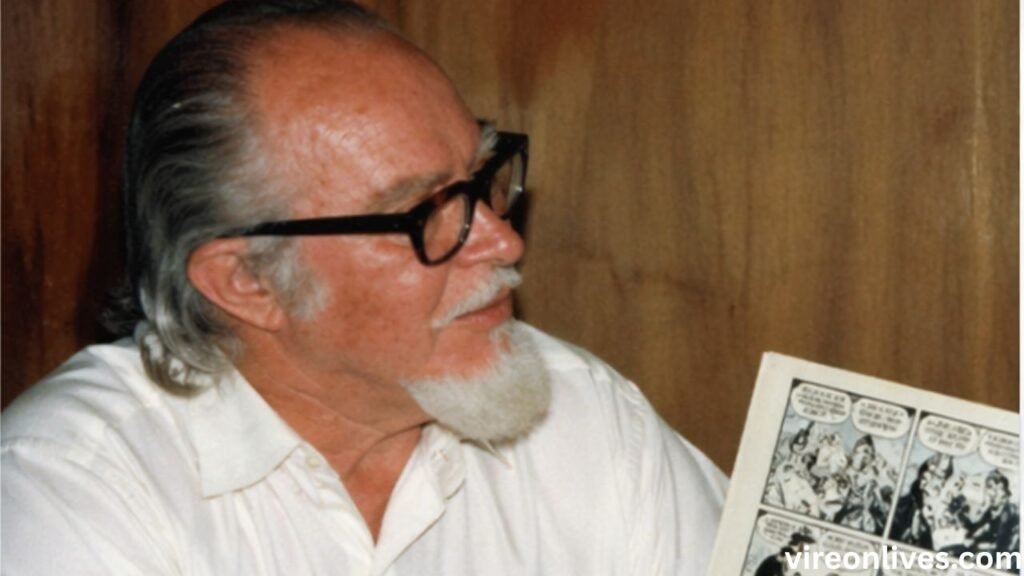
During the 1950s and 1960s, the British publishing industry 1950s was experiencing rapid expansion. Magazines like Eagle, Swift, and TV Century 21 were competing to attract young readers with visually rich and imaginative content.
Jennings contributed significantly to this environment through his detailed comic strip illustration work and his ability to adapt stories into engaging visual formats. His work on Storm Nelson Eagle comic and Tommy Walls ice cream advertisement comic demonstrated how commercial art and storytelling could merge seamlessly.
His contribution also reflects the broader evolution of post war creative careers, where many artists who had served in wartime transitioned into media, publishing, and illustration industries. Jennings was among those who successfully turned life experience into artistic expression, helping shape a new generation of visual storytelling in Britain.
Case Study: The Rise of Storm Nelson in Eagle Comics
The creation of Storm Nelson Eagle comic is one of the best examples of Jennings’ influence. This maritime adventure series was not just entertainment; it represented a shift toward serialized storytelling in comics. Readers followed the character through ocean rescues, dangerous missions, and emotional challenges.
The success of Storm Nelson can be understood through three major storytelling strengths:
First, Jennings focused on realism in sea environments, making readers feel immersed in the maritime world. Second, he used strong character development, giving Storm Nelson emotional depth rather than making him a flat hero. Third, he combined action with moral lessons, a technique widely used in graphic storytelling.
This series became a defining example of maritime adventure comics, influencing later artists working in similar genres.
Artistic Versatility of Richard E. Jennings and Work Across Genres
Jennings was not limited to one style or genre. His ability as a comic scriptwriter and illustrator allowed him to work across adventure, science fiction, humor, and advertising formats. This versatility is one reason his name remains important in discussions about vintage comic artists UK.
His work on Tornado Jones Wham comic showed his ability to create dynamic action sequences with a more modern tone aimed at younger audiences. Meanwhile, his contributions to The Daleks TV Century 21 placed him firmly within the science fiction boom of British comics during the 1960s. These stories were visually complex, often involving futuristic environments, alien creatures, and dramatic tension.
He also contributed to adaptations such as Robinson Crusoe comic adaptation and The Lost World comic script, both of which required translating classic literature into visual storytelling. This process demanded careful balance between staying true to original narratives and making them accessible to younger readers.
Jennings’ ability to switch between styles made him a valuable contributor to multiple publishers. He was equally comfortable drawing realistic sea battles, fantasy worlds, or advertising humor strips. This adaptability is what helped him maintain relevance in a highly competitive industry.
Table about Richard E. Jennings Work:
| Genre | Example Work | Style Focus |
|---|---|---|
| Adventure | Storm Nelson | Maritime realism |
| Sci-fi | The Daleks | Futuristic design |
| Humor/Advertising | Tommy Walls strip | Commercial storytelling |
| Literary adaptation | Robinson Crusoe | Classic narrative visuals |
| Action series | Tornado Jones | Fast-paced illustration |
Artistic Techniques, Workflow, and Illustration Methods
Jennings’ success as a UK comic illustrator was strongly linked to his technical discipline. His workflow often began with rough sketches that defined movement and composition. As a skilled penciler and inker, he refined these sketches into detailed final artwork, ensuring clarity and visual impact.
His illustrations often featured strong contrasts, carefully balanced panels, and cinematic framing. This approach allowed readers to follow action sequences easily while still appreciating artistic detail. His experience in comic book storytelling helped him understand how pacing and layout influence reader engagement.
He was also known for using real-world references. His background as a Yorkshire Dales painter and his experience working in Devon brewery artwork projects gave him strong observational skills. These experiences helped him create believable environments, whether drawing coastal ships or urban settings.
In advertising work such as Tommy Walls ice cream advertisement comic, Jennings demonstrated how storytelling could influence consumer engagement. Instead of simple product placement, he created mini-narratives that made advertisements entertaining and memorable.
Personal Life, Interests of Richard E. Jennings
Jennings’ later life reflects the quieter side of many post war British artists who eventually moved away from commercial illustration. After years of working in the demanding London comic industry, he retired to Cornwall, a region known for its artistic communities and natural beauty.
In Cornwall, he became a retired artist Cornwall, focusing on painting landscapes and exploring personal interests. His artistic expression shifted from commercial storytelling to more reflective and peaceful subjects. During this time, he continued painting and maintaining his creative identity outside the publishing world.
He also developed a deep interest in Eastern philosophy interest, which influenced his perspective on life and creativity. This philosophical shift is believed to have shaped his later artworks, which became more minimal and meditative compared to his earlier detailed comic illustrations.
Despite stepping away from mainstream publishing, Jennings’ legacy remained strong in British illustration circles. His passing due to pneumonia death 1997 marked the end of an era, but his contributions continued to influence future generations of artists.
Legacy of Richard E. Jennings in Modern Illustration
The legacy of Jennings as a comic annual illustrator and storytelling artist is still recognized today in both academic and creative fields. His work represents an important phase in the development of British visual storytelling, where illustration became a powerful narrative medium.
Modern comic artists studying British illustrator legacy often analyze Jennings’ work for its composition, emotional storytelling, and genre flexibility. His influence can be seen in how contemporary comics balance action with character depth.
His contributions to publications like Eagle, Swift, and TV Century 21 comics remain important case studies in graphic storytelling history. These works demonstrate how illustrated narratives evolved from simple adventure strips into complex serialized storytelling systems.
Legacy Impact Summary
Jennings’ influence can be understood in three main areas: storytelling innovation, artistic versatility, and cultural contribution. His ability to work across genres helped define the standards for British comic illustration during the mid-20th century. His legacy continues to inspire artists working in modern comics, animation, and visual media.
FAQs about Richard E. Jennings
Who was Richard E. Jennings and why is he important in British comics history?
Richard E. Jennings was a British comic book artist known for his major contributions to mid-20th-century illustrated storytelling. He worked on popular strips like Storm Nelson and The Daleks, helping shape the golden age of British comics. His work played a key role in developing visual storytelling styles in post-war publishing.
What are the most famous works created by Richard E. Jennings?
His most notable works include Storm Nelson, Tommy Walls, Tornado Jones, and The Daleks comic strips. These series appeared in major publications like Eagle and TV Century 21. Each work showed his ability to handle adventure, science fiction, and advertising storytelling.
How did World War II influence Richard E. Jennings artistic career?
Jennings served in the RAF Air Sea Rescue during World War II, which exposed him to real-life danger and discipline. This experience influenced his realistic drawing style and strong storytelling approach. After the war, he used these experiences to bring depth and emotion to his comic illustrations.
What was unique about Richard E. Jennings drawing and storytelling style?
His style combined detailed illustration with strong narrative flow, making his comics highly engaging. He worked as both a penciler and inker, giving him full control over his artwork. His storytelling focused on action, emotion, and cinematic panel design.
What role did he play in the development of advertising comics?
Jennings created early advertising strips like Tommy Walls, which promoted brands through storytelling rather than simple ads. This made advertisements more entertaining and memorable for readers. His work helped shape the concept of narrative-based marketing in comics.
What did Richard E. Jennings do after retiring from comics?
After leaving the comic industry, Jennings retired to Cornwall where he continued painting. He focused on landscape art and explored personal interests like Eastern philosophy. Even in retirement, he remained connected to creative expression through fine art.
What is the legacy of Richard E. Jennings today?
His legacy lives on in British comic history as a pioneer of illustrated storytelling. Modern artists still study his work for composition, pacing, and visual narrative techniques. He is remembered as an influential figure in shaping post-war British comics.
What is known about Richard Jennings comic work?
Richard Jennings created comic illustrations mainly for British publications during his career. His work was known for strong storytelling through visuals. He contributed significantly to the development of mid-20th century comic art in the UK.
Did Richard Jennings have any connection to acting or MMA?
No, Richard Jennings was not an actor or MMA fighter. He was purely a comic book artist. Any claims linking him to MMA or acting are incorrect and not supported by historical records.
What is Richard Jennings cause of death?
Richard E. Jennings passed away on January 19, 1997. However, detailed public information about his cause of death is limited. Most records focus more on his artistic contributions rather than personal medical details.
Was Richard Jennings involved in the movie Mask?
No, Richard Jennings had no known connection to the film Mask. He was not involved in Hollywood movies. His career was strictly in comic book illustration and publishing.
Is there any truth about Richard Jennings MMA fighter claim?
No, there is no evidence that Richard Jennings was involved in MMA or any combat sports. He was a traditional comic artist. This appears to be a confusion with another name or misinformation.
Conclusion – The Lasting Importance of Richard E. Jennings
The life and career of Richard E. Jennings biography represent more than just the story of a single artist. They reflect the evolution of British visual culture, the growth of illustrated storytelling, and the transformation of comics into a respected art form.
From his early education at the Central School of Arts London to his wartime service in the RAF Air Sea Rescue service, and from his creative breakthroughs in Eagle comic artist projects to his retirement in Cornwall, Jennings lived a life shaped by both hardship and creativity. His work across TV Century 21 comics, Junior Mirror comics, and Wham comic Tornado Jones shows a remarkable ability to adapt and innovate.
Today, he is remembered as a key figure in British comics history, whose storytelling continues to influence illustrators worldwide. His journey from a young artist in Hampstead England to a respected figure in global comic illustration remains a powerful example of creativity, resilience, and artistic legacy.