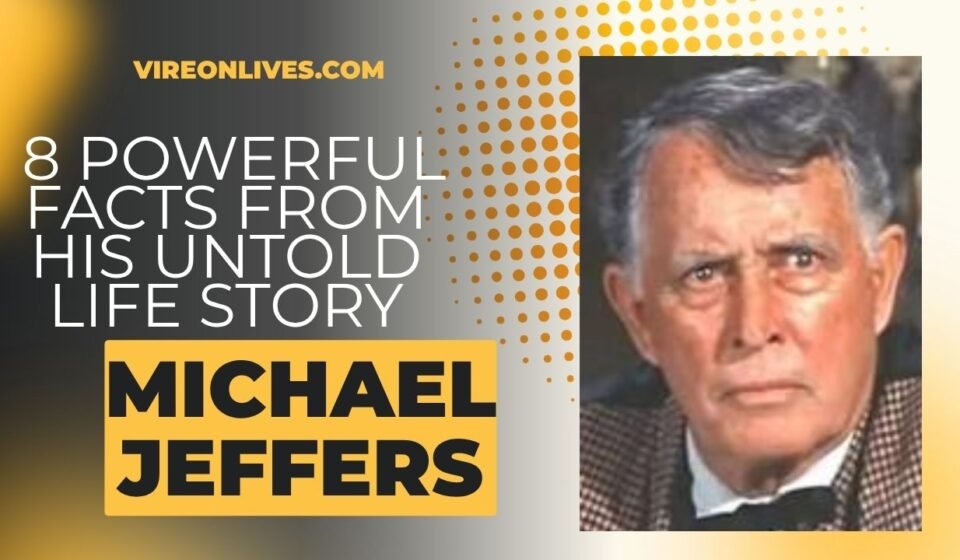

Long before streaming residuals or union contracts protected background performers, Michael Jeffers was fighting that battle in person. Best known today through his IMDb filmography of westerns and television guest spots, Michael Jeffers earned a permanent, if small, place in Hollywood history as president of the Screen Extras Guild, where he halted studio productions for twenty-four hours in 1945. His story is less about stardom and more about the unglamorous fight for fair extra work and bit part opportunities in the studio era.
Who Is Michael Jeffers in Classic Hollywood History
If you have ever wondered who Michael Jeffers actually was, the honest answer is that he was not a marquee name. He was a working character actor and a union representative who spent decades inside the machinery of the studio system rather than in front of its brightest spotlights.
Also Read:/kyle-gallagher/
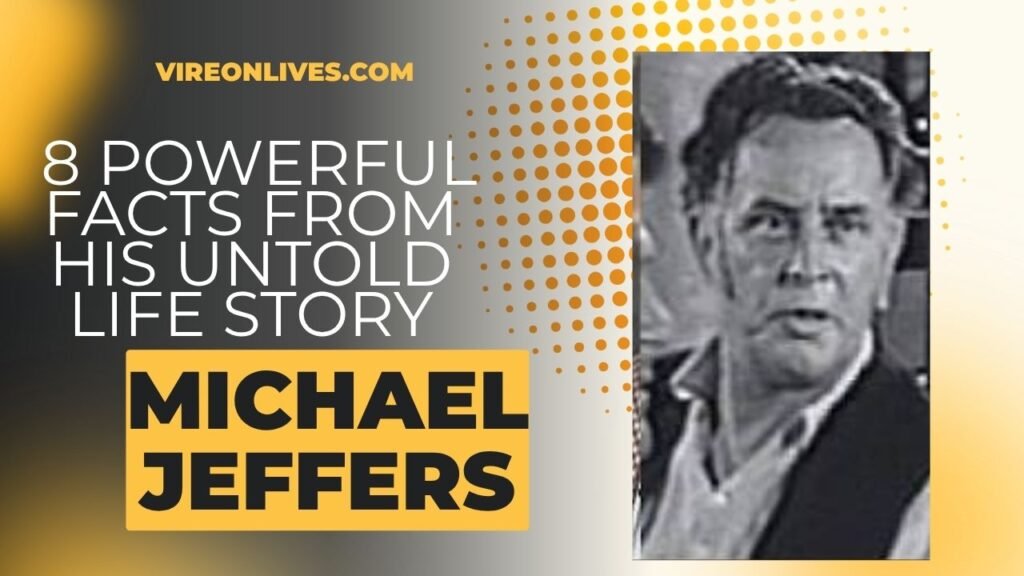
His career stretched from small film roles in the 1950s through guest appearances on television westerns into the 1970s. What sets him apart from countless other bit players of his generation is the labor fight he led on behalf of extras and background performers, a fight that put him in direct conflict with the far more powerful Screen Actors Guild.
Quick Facts About Michael Jeffers
Before diving deeper into his career, here is a snapshot of the verified and best-available information on Michael Jeffers. Fields with no confirmed public record are marked accordingly rather than guessed.
| Full Name | Michael Jeffers |
| Nickname | Not publicly documented |
| Gender | Male |
| Date of Birth | March 10, 1898 |
| Age (as of 2026) | Deceased; would be 128 if alive. No public death record is confirmed, though given his 1898 birth year he is understood to be deceased. |
| Birthplace | Lancashire, England, United Kingdom |
| Hometown | Lancashire, England |
| Current Residence | Not applicable (historical figure) |
| Nationality | British-American (worked and was based in the United States for his acting career) |
| Ethnicity | Not publicly documented |
| Religion | Not publicly documented |
| Education / Degree | Not publicly documented |
| Profession | Actor; labor organizer (President, Screen Extras Guild) |
| Languages Spoken | English |
| Hobbies & Interests | Not publicly documented |
| Marital Status | Not publicly documented |
| Spouse / Partner | Not publicly documented |
| Children | Not publicly documented |
| Father’s Name | Not publicly documented |
| Mother’s Name | Not publicly documented |
| Siblings | Not publicly documented |
Early Life and Background Records for Michael Jeffers
According to available biographical notes, Michael Jeffers was born on March 10, 1898, in Lancashire, England. Detailed records about his upbringing, schooling, or the exact circumstances that brought him into acting have not survived in any accessible public archive.
What is clear is that by the mid-twentieth century he had relocated to the United States and become active in the Hollywood labor community, a path shared by many British-born performers who crossed the Atlantic during that era to find film and television work.
Michael Jeffers and the Screen Extras Guild Leadership
As of the historical record, Michael Jeffers served as president of the Screen Extras Guild (SEG), the organization that represented background performers and extras, distinct from the better-funded Screen Actors Guild (SAG) that represented principal actors.
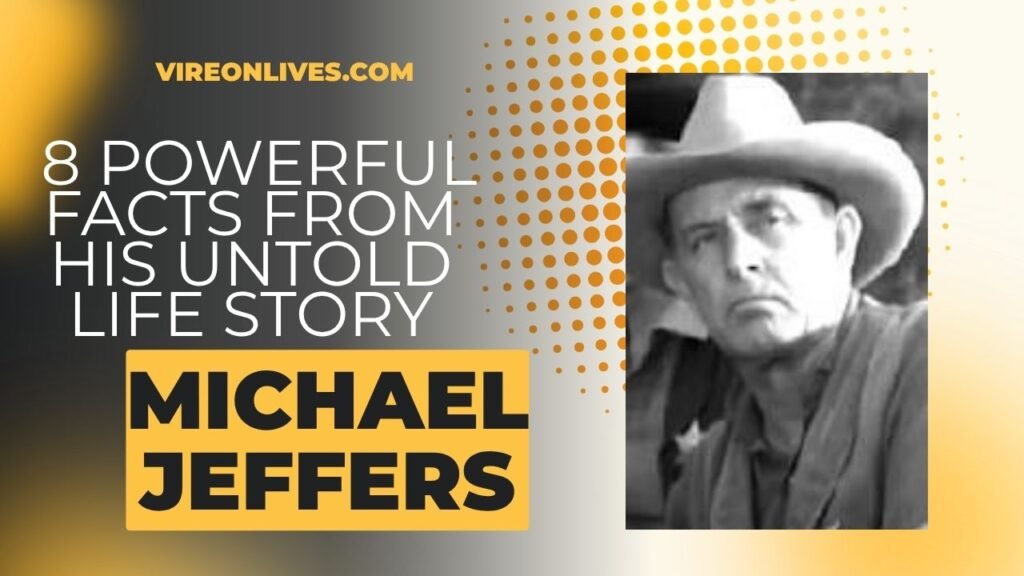
The two guilds often clashed over jurisdiction. Extras wanted access to more bit-part and stunt work, while SAG guarded those opportunities closely for its own membership. Jeffers positioned himself as the bargaining agent pushing for extras to get a fairer share of that work.
The 1945 Protest That Halted Studio Productions
The defining moment of Jeffers’ career came in 1945, when he organized a protest that stopped movie production for a full twenty-four hours. The action was a direct response to what he saw as an unfair imbalance: stuntmen and bit part performers were receiving extra work opportunities, while registered extras were shut out entirely.
It was a bold move for a labor leader without SAG’s resources or protection, and it briefly made Jeffers one of the more disruptive figures in the Hollywood labor landscape of the mid-1940s. He led a second, related protest in 1946, reinforcing his position as an advocate willing to escalate rather than negotiate quietly.
Legal Battle Against the Screen Actors Guild
Jeffers’ activism came at a personal cost. After Screen Extras Guild members learned their voting rights were restricted within the broader guild structure, Michael Jeffers sued in an effort to secure full voting participation for SEG members.
The consequences followed quickly. A letter reportedly circulated suggesting he had communist ties and was deliberately trying to divide the Screen Extras Guild, allegations that fit the broader anti-communist climate gripping the entertainment industry at the time. As a direct result, Jeffers found himself receiving far less acting work.
Years Spent Fighting to Clear His Name
From 1950 to 1958, Michael Jeffers fought through the courts to restore his professional reputation and recover wages he believed he had lost because of the letter and the suspicion it created. Nearly a decade of litigation is a striking commitment for a working actor whose income depended on staying in producers’ good graces, and it underscores how seriously he took the accusations against him.
Michael Jeffers Filmography and Television Credits
Despite the setback to his career, Michael Jeffers continued working steadily, appearing in scores of westerns across the 1950s, 1960s, and 1970s. His screen credits include a Train Passenger role in the 1951 anti-communist drama I Was a Communist for the F.B.I., a small role in Paradise Alley, and appearances in the television comedy special Those Mad, Mad Moviemakers.
These were the kinds of unglamorous, recurring parts that kept the studio system running: a townsman here, a miner there, a face in the crowd that a director could count on to show up prepared and hit his mark.
Notable Western Television Roles for Michael Jeffers
Television westerns gave Michael Jeffers some of his most visible, if still minor, credits. He appeared as a Miner in The Dakotas (1962 to 1963), as a Townsman in the long-running series Gunsmoke in the episode “Anybody Can Kill a Marshal” (1963), and as Charlie in the Bonanza episode “It’s a Small World” (1970).
Each of these shows was a television institution of its era, and Jeffers’ repeated presence across them shows a working actor who had built genuine, lasting relationships with casting departments even after the professional damage of the early 1950s.
How the Hollywood Blacklist Era Affected Michael Jeffers
The suspicion cast on Michael Jeffers did not come from a formal blacklist committee appearance, but it followed the same playbook that damaged hundreds of industry careers in the late 1940s and 1950s: an unverified rumor of communist sympathy, spread informally, with real professional consequences.
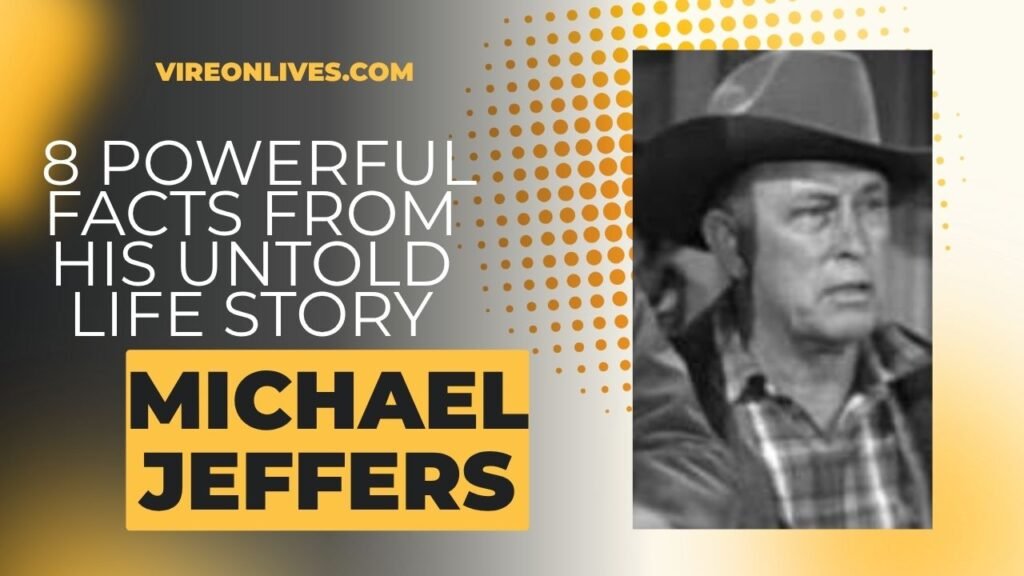
His case is a smaller, less documented example of how that climate reached beyond famous screenwriters and directors and into the ranks of extras and bit players who had far less institutional power to fight back, yet Jeffers fought back anyway, for eight years, through the courts.
Personal Information of Michael Jeffers
Public archives on Michael Jeffers focus almost entirely on his professional and legal history rather than his private life. The details below reflect what is verifiable, with unconfirmed fields marked as such rather than invented.
Full Name
Michael Jeffers’ full name as recorded professionally is Michael Jeffers.
Date of Birth
Michael Jeffers was born on March 10, 1898.
Age
As of 2026, Michael Jeffers is understood to be deceased, as no public record places him alive at 128 years old.
Birthplace
Michael Jeffers was born in Lancashire, England, United Kingdom.
Nationality
Michael Jeffers held British nationality by birth and worked within the American film industry for the bulk of his career.
Ethnicity
His ethnicity is not publicly documented.
Religion
His religion is not publicly documented.
Education
His educational background is not publicly documented.
Hobbies
His personal hobbies and interests are not publicly documented.
Marital Status
Michael’s marital status is not publicly documented.
Spouse or Partner
No spouse or partner is publicly documented.
Children
No information about children is publicly documented.
Parents
parents are not named in any publicly available record.
Siblings
His siblings are not publicly documented.
Physical Appearance
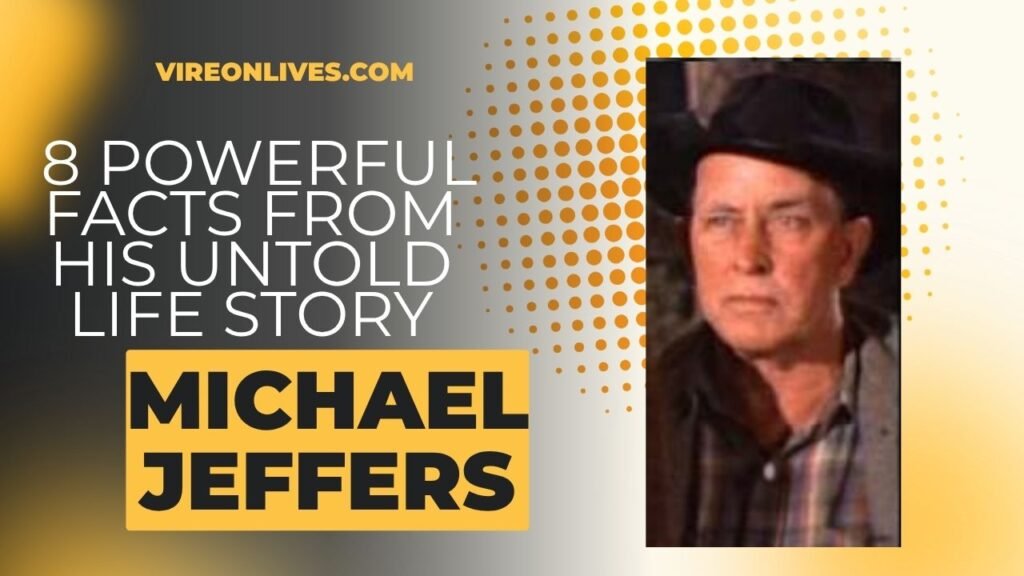
No verified physical description of Michael Jeffers survives in public film archives or biographical sources. Rather than estimate details that cannot be confirmed, each field below is marked as unavailable.
Height
Michael’s height is not publicly documented.
Weight
Michael’s weight is not publicly documented.
Eye Color
His eye color is not publicly documented.
Hair Color
His hair color is not publicly documented.
Body Type
His body type is not publicly documented.
Skin Tone
His skin tone is not publicly documented.
Shoe Size
His shoe size is not publicly documented.
Tattoos
There is no public record indicating whether he had any tattoos.
Piercings
There is no public record indicating whether he had any piercings.
Distinctive Features
Michael Jeffers is best remembered not for a physical trait but for his willingness to organize and litigate on behalf of extras during one of Hollywood’s most difficult political periods.
Social Media Profiles
Michael Jeffers’ career took place entirely before the existence of social media, and no verified official accounts exist for him. This section is intentionally left without fabricated handles, since inventing them would misrepresent a real historical figure.
Frequently Asked Questions
Who was Michael Jeffers?
Michael Jeffers was a British-born American character actor known for western film and television roles, and for serving as president of the Screen Extras Guild.
What is Michael Jeffers known for?
He is best known for leading a 1945 protest that halted studio film production for twenty-four hours, and for his later legal fight against restricted voting rights within the guild system.
When was Michael Jeffers born?
Michael Jeffers was born on March 10, 1898, in Lancashire, England.
Is Michael Jeffers still alive?
No confirmed public death record exists, but given his 1898 birth year, Michael Jeffers is understood to be deceased.
What movies did Michael Jeffers appear in?
His film credits include I Was a Communist for the F.B.I. (1951), Paradise Alley, and the special Those Mad, Mad Moviemakers, among smaller uncredited and supporting roles.
What TV shows did Michael Jeffers appear in?
Michael Jeffers appeared in The Dakotas (1962 to 1963), Gunsmoke (1963), and Bonanza (1970), typically in small western character parts.
Why did Michael Jeffers sue the Screen Actors Guild?
He sued after learning that Screen Extras Guild members had restricted voting rights, seeking full voting participation for the extras he represented.
How long did Michael Jeffers fight his legal case?
Michael Jeffers pursued his case through the courts from 1950 to 1958, working to clear his name and recover lost wages.
Was Michael Jeffers accused of communist ties?
Yes. A letter reportedly circulated suggesting he had communist sympathies and was trying to divide the Screen Extras Guild, which damaged his ability to find acting work.
What was the Screen Extras Guild?
The Screen Extras Guild was the organization representing background performers and extras in Hollywood, distinct from the Screen Actors Guild, which represented principal cast members.
Did Michael Jeffers win his lawsuit?
Public sources confirm he pursued the case for eight years but do not provide a documented final outcome or settlement figure.
What year did Michael Jeffers lead his famous protest?
Michael Jeffers led the production-halting protest in 1945 and organized a follow-up protest in 1946.
Conclusion
Michael Jeffers never became a household name, but his story matters for a different reason: he used what little leverage he had as a working extra and bit player to challenge a studio system built to keep people like him replaceable and quiet. His 1945 protest, his years-long legal fight, and his steady run of western film and television roles paint a picture of persistence under real professional risk.
For anyone researching classic Hollywood labor history, Michael Jeffers is a useful reminder that the industry’s power struggles were not limited to studio executives and headline stars. If you are exploring this era further, his case is worth reading alongside the broader history of the Screen Extras Guild and the anti-communist pressures of 1950s Hollywood.