

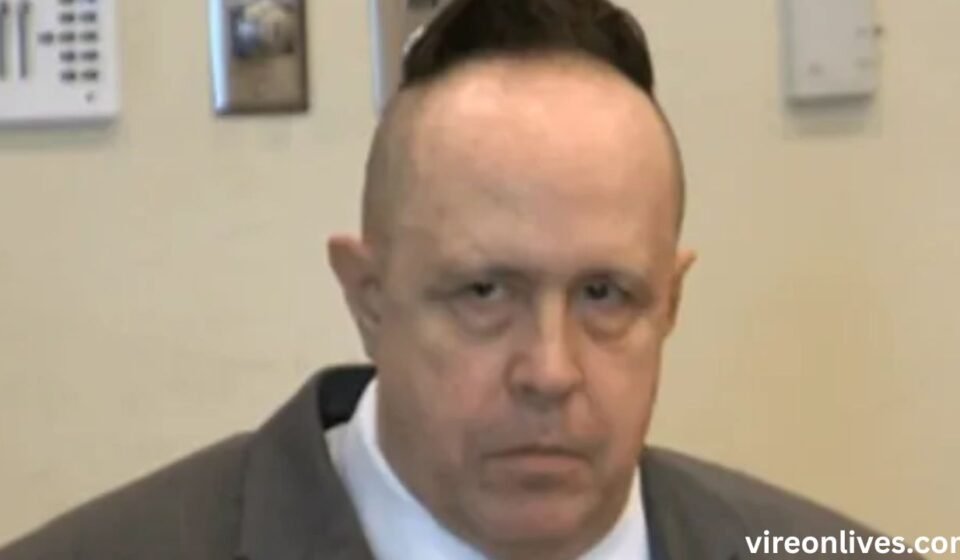

The Joseph Zieler case is one of the most widely discussed criminal cases in modern American legal history, drawing intense attention as a major high-profile murder case USA. It revolves around the tragic Cape Coral double murder of 11-year-old Robin Cornell and 32-year-old Lisa Story in 1990, a crime that shocked the community and remained an unsolved murder case for more than two decades.
What makes this case especially significant is how modern science eventually transformed a forgotten investigation into a landmark cold case investigation. After years of police investigation challenges, advancements in forensic science led to a powerful DNA evidence match, ultimately connecting Joseph Zieler to the crime scene.
The case highlights how forensic investigation techniques, especially DNA testing and database systems like CODIS, have reshaped criminal justice in the United States.
In 2023, during the Zieler trial 2023, he was convicted and sentenced to death, marking a decisive moment in this Florida death penalty case. The ruling was later upheld by the Florida Supreme Court ruling, reinforcing the role of scientific evidence in modern convictions.
The case also sparked widespread debate over justice, evidence reliability, and long-delayed accountability in serious crimes. Today, it remains a powerful example of how a decades-old investigation can be solved through persistence, technology, and evolving legal systems.
Overview of the Joseph Zieler Case
The Joseph Zieler case is one of the most disturbing and widely discussed criminal cases in modern American history. This high-profile murder case USA shocked the public due to its brutal nature, delayed justice, and reliance on modern forensic breakthroughs. At its core, the case revolves around the tragic killings of an 11-year-old girl and her babysitter in Florida, which later became known as the Cape Coral double murder.
Also Read:/joan-h-parker/
For decades, the case remained an unsolved murder case, leaving investigators frustrated and the victims’ families searching for closure. However, advancements in science eventually changed everything, turning this into a landmark cold case investigation.
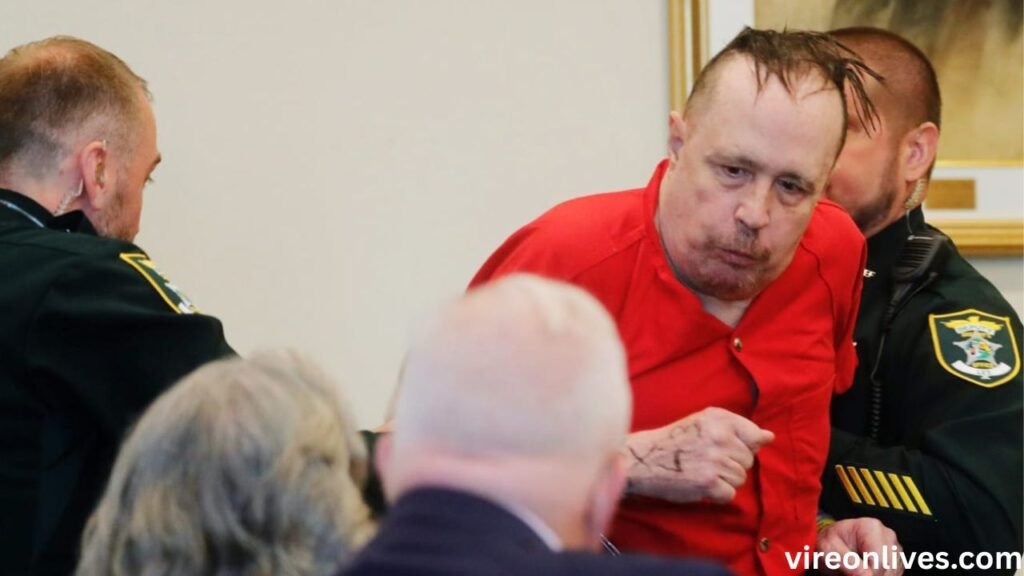
The man at the center of this case, Joseph Zieler, was not arrested until 26 years after the crime. His conviction during the Zieler trial 2023 and the eventual Joseph Zieler death sentence sparked widespread discussion about justice, forensic reliability, and the fairness of legal procedures.
The Florida Supreme Court ruling later upheld his conviction, reinforcing the importance of DNA-based evidence in modern criminal law. This Florida death penalty case continues to be studied as an example of how delayed justice can still be achieved through determination, technology, and persistence. It also highlights how legal systems adapt over time, especially when dealing with violent crimes such as the 1990 Cape Coral murders.
Background of the 1990 Cape Coral Double Murder
The tragic events that shaped the Joseph Zieler case began in May 1990 in Cape Coral, Florida. This quiet residential area became the center of national attention after what would later be described as one of the most horrific crimes in the state’s history.
The 1990 Cape Coral murders involved the killing of young Robin Cornell and her babysitter Lisa Story, a crime that deeply impacted the local community and eventually the entire nation. The case immediately stood out due to its brutality and the vulnerability of the victims, making it a deeply emotional true crime story Florida.
Joseph Zieler Biography:
| Atribute | Details |
|---|---|
| Full Name | Joseph Zieler |
| Age | Around 64 years (at the time of conviction in 2023) |
| Birth Year | Estimated around 1959 |
| Height | Not publicly available |
| Weight | Not publicly available |
| Physical Description (at trial) | Middle-aged male; appearance described during trial testimony but no official standardized record published |
| Education | Not publicly documented in court records |
| Net Worth | No known assets; not publicly recorded |
| Family Background | Limited public information available; no verified spouse or children reported in official records |
| Occupation / Business | No confirmed long-term employment or business activity recorded |
| Criminal Case Identity | Defendant in the Joseph Zieler case related to the Cape Coral double murder |
| Convicted For | First-degree murder, sexual battery, and burglary |
| Victims | Robin Cornell (11 years old), Lisa Story (32 years old) |
| Crime Location | Cape Coral, Florida, USA |
| Case Type | High-profile double homicide case and sexual assault crime |
| Arrest Year | 2016 (after DNA match in cold case investigation) |
| Conviction Year | 2023 (Zieler trial 2023) |
| Sentence | Death penalty (Joseph Zieler death sentence) |
| Court Handling Case | Lee County Circuit Court |
| Judge | Judge Robert Branning |
| Appeal Status | Legal appeal denied by Florida Supreme Court |
| Forensic Evidence Used | DNA evidence match, semen identification, hair DNA samples |
| DNA Match Strength | One-in-83 quintillion probability match |
| Key Database Used | FBI DNA database CODIS |
| Investigation Type | Cold case reopened after 26 years |
| Investigating Agency | Lee County Sheriff’s Office |
| Prosecuting Authority | State Attorney Office Florida |
| Key Legal Issue | Hair evidence controversy and forensic reliability debate |
| Defense Claim | Innocence, Maryland alibi claim, DNA contamination argument |
| Jury Verdict | 10–2 recommendation for death penalty |
| Case Status Today | Conviction and death sentence upheld by Florida Supreme Court ruling |
| Media Coverage | Widely reported as a major true crime story Florida case |
| Public Impact | Sparked debate on cold cases and DNA-based convictions |
At the time, the incident was treated as a severe double homicide case involving elements of a sexual assault crime and an apparent intruder attack case. The setting of the crime, a private residence, made it even more disturbing, as it shattered the sense of safety within the community.
The case quickly became a focus of law enforcement agencies, including the Lee County Sheriff’s Office, but despite early efforts, it soon turned into a challenging investigation. The timeline of events, now often referred to as the 1990 murder timeline, would later play a crucial role in understanding how the crime unfolded and why it remained unsolved for so long.
Details of the Crime Scene and Victims
The Joseph Zieler case cannot be fully understood without examining the horrifying details of the condominium crime scene. When authorities arrived, they encountered clear signs of a violent struggle. The home was in disarray, indicating a forced entry and a chaotic confrontation.
Investigators documented extensive crime scene evidence, which included biological samples that would later become crucial in solving the case. These findings confirmed that the victims had been subjected to a brutal intruder attack case, reinforcing the seriousness of the crime.
The victims, often referred to as the Robin Cornell victim and the Lisa Story victim, were central figures in the case. Robin was only 11 years old, while Lisa Story was a 32-year-old babysitter. Their tragic deaths highlighted the vulnerability of innocent individuals and intensified the public’s emotional response.
The investigation revealed that both victims had suffered a sexual assault crime, adding another layer of horror to the case. The preservation of biological evidence, including results from genital swab testing and semen evidence identification, would later play a key role in solving this long-standing mystery. The combination of forensic evidence and witness accounts created a foundation for future breakthroughs.
Initial Investigation and Early Challenges
In the early stages of the Joseph Zieler case, law enforcement faced significant police investigation challenges. Despite collecting a large amount of court documents evidence, the technology available in 1990 limited their ability to analyze it effectively.
The investigation quickly became an unsolved murder case, frustrating both detectives and the victims’ families. The lack of immediate suspects and the absence of advanced forensic tools made it difficult to identify the perpetrator, leaving the case cold for years.
The situation was further complicated by the limitations in forensic investigation techniques at the time. Although investigators collected biological samples, including materials used in sperm cell DNA analysis, they lacked the advanced systems needed to create reliable matches.
This meant that even though the evidence existed, it could not be fully utilized. The case soon became a classic example of how technological gaps can hinder justice. Over time, as new methods emerged, authorities began reopening cold cases, including this one, with renewed hope that modern science could finally provide answers.
How Joseph Zieler Became a Suspect
The turning point in the Joseph Zieler case came when investigators revisited old evidence using modern techniques. During the renewed suspect identification process, authorities discovered a DNA evidence match that would change everything.
This breakthrough occurred when samples collected from the original crime scene were analyzed using updated forensic tools, leading to a CODIS database match within the FBI DNA database CODIS. This was the first solid link connecting Joseph Zieler to the crime.
Before this discovery, Zieler had not been a primary suspect, which made the development even more surprising. The identification process highlighted the importance of maintaining evidence over long periods, especially in cold case investigation scenarios. Investigators relied on DNA profile consistency across multiple samples to confirm the connection.
This moment marked a significant breakthrough in the case, demonstrating how advancements in technology can solve even the most difficult cases. It also reinforced the value of databases like CODIS in modern law enforcement, as they play a crucial role in identifying suspects years after crimes have occurred.
Breakthrough in the Cold Case Investigation
The 26-year cold case status of the Joseph Zieler case finally came to an end due to remarkable forensic technology advancements. The decision to revisit the evidence was part of a broader effort in the United States to focus on reopening cold cases.
This approach has helped solve many previously unsolvable crimes, and the Cape Coral double murder became a prime example of its success. The use of modern tools allowed investigators to re-examine old samples with greater accuracy and reliability.
One of the most important developments was the ability to confirm a DNA evidence match with extremely high accuracy. Experts used advanced techniques to ensure that the results were consistent and reliable. The statistical strength of the evidence, often described using the DNA statistical probability (1 in 83 quintillion), made it nearly impossible to dispute the findings.
This breakthrough not only led to the arrest of Joseph Zieler but also set a precedent for future cases. It showed that justice can still be achieved, even decades after a crime has been committed, as long as evidence is preserved and technology continues to evolve.
Role of DNA and Forensic Evidence in the Case
The Joseph Zieler case is widely recognized for its heavy reliance on scientific evidence, particularly DNA analysis. During the investigation, experts conducted detailed forensic investigation procedures that included genital swab testing, semen evidence identification, and advanced comparisons using stored biological samples.
These tests established a clear DNA evidence match between the crime scene and Joseph Zieler, making forensic science the backbone of the prosecution’s case. The use of modern techniques highlighted how far science has progressed since the time of the 1990 Cape Coral murders.
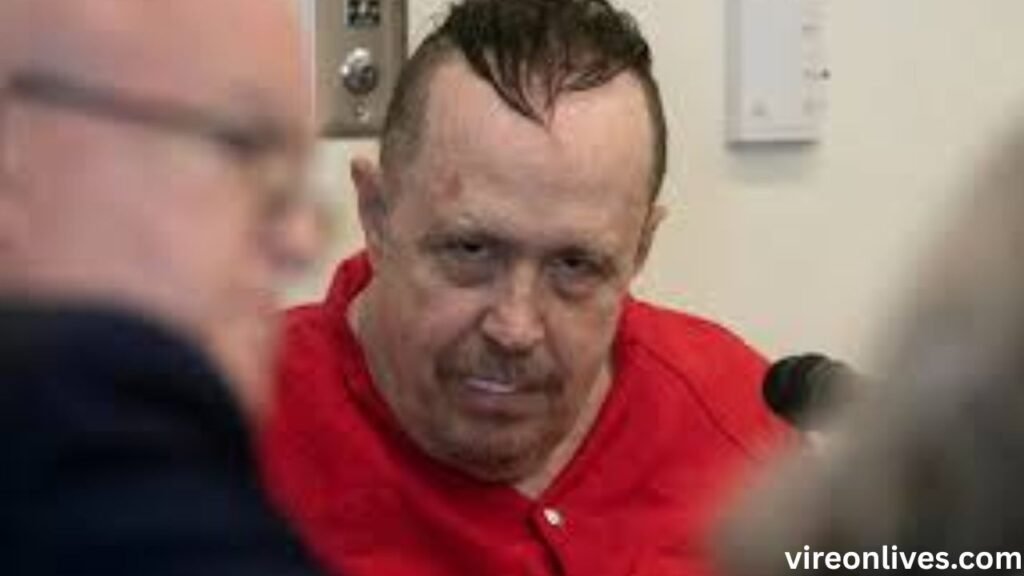
A key aspect of the case was the demonstration of DNA profile consistency across multiple pieces of evidence. Investigators were able to show that the same genetic profile appeared in different samples, strengthening the reliability of the findings. The use of the FBI DNA database CODIS allowed authorities to identify the suspect with a high level of certainty.
The significance of this evidence was further supported by the extremely low probability of a random match, often explained through the DNA statistical probability (1 in 83 quintillion). This level of certainty played a crucial role in securing a conviction and ultimately led to the Joseph Zieler death sentence.
Hair Evidence Controversy and Legal Arguments
Despite the strong DNA findings, the Joseph Zieler case was not without controversy. One of the most debated aspects was the hair DNA evidence controversy, which became a central issue during the trial. The defense raised concerns about the handling and preservation of hair samples, leading to claims of a hair evidence dispute and possible evidence tampering claim.
These arguments were part of a broader forensic reliability debate, questioning whether all the evidence presented was scientifically sound.
The defense team also introduced a DNA contamination argument, suggesting that the evidence could have been compromised over time. These claims contributed to ongoing wrongful conviction concerns, especially in cases that rely heavily on forensic data.
Additionally, there were discussions about a missing evidence controversy, as some samples were reportedly lost or mishandled during the early stages of the investigation. Despite these challenges, the court ultimately determined that the evidence was admissible and reliable. This decision reinforced the importance of proper evidence handling and highlighted the complexities involved in modern criminal trials.
Arrest and Charges Against Joseph Zieler
The arrest of Joseph Zieler marked a major turning point in the Joseph Zieler case, bringing long-awaited progress in a decades-old investigation. After the confirmed CODIS database match linked him to the crime scene, authorities moved quickly to take him into custody.
The arrest followed a detailed suspect identification process supported by strong court documents evidence and extensive forensic investigation findings. For the first time since the 1990 Cape Coral murders, law enforcement had a solid suspect connected through science rather than speculation.
Following his arrest, Joseph Zieler faced multiple first-degree murder charges along with additional counts related to the brutal nature of the crime, including offenses tied to a sexual assault crime and unlawful entry during an intruder attack case. The charges were filed through the State Attorney Office Florida, reflecting the seriousness of the allegations.
The case was then transferred into the legal system under the supervision of the Lee County Sheriff’s Office and prosecutors, setting the stage for a complex trial. The significance of the arrest extended beyond this single case, as it demonstrated how modern forensic tools can bring justice even after many years in a cold case investigation.
Inside the Trial: Key Evidence and Testimonies
The courtroom proceedings during the Zieler trial 2023 were intense and detailed, focusing heavily on scientific evidence and witness accounts. Prosecutors presented extensive criminal trial testimony, including expert analysis of DNA results and forensic findings.
The prosecution’s case relied on proving that the DNA evidence match was accurate and reliable, using multiple sources such as genital swab testing, semen evidence identification, and comparisons with samples stored in databases. This evidence was reinforced by documentation from the FBI DNA database CODIS, which provided a strong link between the suspect and the crime scene.
A critical moment in the trial involved testimony from individuals directly connected to the case, including the emotional Jan Cornell testimony. Her account added a human dimension to the proceedings, reminding the jury of the devastating impact on the victims’ families.
Experts also explained the meaning of DNA profile consistency and how multiple samples pointed to the same individual. The court reviewed detailed court documents evidence, ensuring that every piece of information was examined thoroughly. This combination of science and personal testimony made the trial one of the most closely followed true crime story Florida cases in recent years.
Defense Strategy and Claims of Innocence
The defense in the Joseph Zieler case focused on challenging the credibility of the evidence and presenting alternative explanations. One of the main arguments was the defense claims innocence, with Joseph Zieler maintaining that he had no involvement in the crime.
His legal team introduced the alibi Maryland claim, stating that he was not present in Florida at the time of the murders. However, this claim was questioned when official records failed to support his statements, weakening the defense’s position.
Another major aspect of the defense strategy involved raising doubts about the reliability of forensic evidence. The legal team argued a DNA contamination argument, suggesting that the samples could have been compromised during storage or handling.
They also revisited the hair evidence dispute, claiming that some evidence may have been lost or mishandled, contributing to a broader missing evidence controversy. These arguments were designed to create reasonable doubt and highlight possible flaws in the investigation. Despite these efforts, the prosecution’s strong reliance on scientific data and consistent findings made it difficult for the defense to convince the jury.
Jury Verdict and Death Sentence Decision
After weeks of testimony and argument, the jury reached a decision in the Joseph Zieler case that would have lasting consequences. The jury verdict 10-2 vote reflected a strong majority in favor of conviction and a death penalty recommendation.
This decision was based on the overwhelming evidence presented during the trial, including the highly persuasive DNA evidence match and consistent forensic findings. The verdict marked the end of the trial phase and the beginning of the sentencing process in this significant Florida death penalty case.
The final judge sentencing decision was delivered by Judge Robert Branning, who formally imposed the Joseph Zieler death sentence. The decision was influenced by the severity of the crime, the vulnerability of the victims, and the brutality involved in the Cape Coral double murder.
The sentencing followed the guidelines of capital sentencing Florida, which had recently undergone changes. The case highlighted how the legal system balances evidence, jury recommendations, and judicial authority when determining punishment. For many, the outcome represented justice after decades of waiting, while for others, it raised important ethical questions about capital punishment.
Florida Supreme Court Ruling Explained
The legal process in the Joseph Zieler case did not end with the sentencing. The defense filed an appeal, challenging both the conviction and the sentence. However, the Florida Supreme Court ruling ultimately upheld the decision, marking a significant moment in the case.
The court carefully reviewed all aspects of the trial, including the handling of evidence, the application of law, and the fairness of the proceedings. In the end, the appeal was rejected, resulting in a legal appeal denied outcome.
A key factor in the ruling was the recent Florida Legislature amendment, which allowed for a death sentence based on a non-unanimous jury recommendation. This capital punishment law change played a crucial role in the court’s decision, as it confirmed that the jury verdict 10-2 vote was legally valid.
The ruling reinforced the importance of following updated laws in modern cases and set a precedent for future legal proceedings. It also confirmed that the evidence presented during the Zieler trial 2023 met the required standards, further solidifying the conviction.
Public Reaction and Media Coverage of the Case
The Joseph Zieler case attracted widespread attention across the United States, becoming a major topic in both traditional and digital media. The media coverage Joseph Zieler was extensive, with news outlets, documentaries, and online platforms analyzing every detail of the case.
It was frequently featured in true crime TV coverage and even adapted into a crime documentary episode, reflecting the public’s fascination with complex criminal cases. The story’s combination of tragedy, delayed justice, and scientific breakthroughs made it a compelling narrative.
Public opinion on the case was divided, particularly regarding the Joseph Zieler death sentence. The public reaction to death sentence included both support and criticism, with some viewing it as necessary justice and others questioning the morality of capital punishment.
The emotional impact of the case was evident in the emotional victim impact statements delivered during the trial, which highlighted the long-term suffering of the victims’ families. The pursuit of victim family justice remained a central theme, reminding the public of the human cost behind the legal proceedings.
Impact of the Case on Future Cold Case Investigations
The Joseph Zieler case has had a lasting impact on how law enforcement approaches unresolved crimes. It demonstrated the value of preserving evidence and investing in forensic technology advancements, which can transform an unsolved murder case into a solved one.

The success of this cold case investigation encouraged authorities to prioritize reopening cold cases, especially those with preserved biological evidence. This shift has already led to the resolution of other long-standing cases across the United States.
The case also highlighted the importance of databases like the FBI DNA database CODIS, which played a critical role in identifying the suspect. The integration of advanced science into everyday policing has improved the suspect identification process, making investigations more accurate and efficient.
At the same time, the case raised awareness about issues such as forensic reliability debate and proper evidence handling. By addressing these challenges, law enforcement agencies can continue to improve their methods and ensure that justice is served in even the most difficult cases.
FAQs About the Joseph Zieler Case
Who is Joseph Zieler?
Joseph Zieler is a Florida man convicted in the Joseph Zieler case involving the 1990 Cape Coral double murder of 11-year-old Robin Cornell and her babysitter Lisa Story. He became a central figure in a major high-profile murder case USA after DNA evidence linked him to the crime decades later.
What he has done?
He was convicted of committing a brutal double homicide case involving sexual assault and murder during an intruder attack case in Cape Coral, Florida. The crime remained an unsolved murder case for 26 years until forensic advancements led to his identification and arrest.
Where he is now?
As of the latest court updates, Joseph Zieler is on death row in Florida after being sentenced in the Florida death penalty case. His conviction and sentence were upheld by the Florida Supreme Court ruling, confirming his placement under the custody of the Florida Department of Corrections.
Joseph Zieler appeal results?
His appeal was rejected by the Florida Supreme Court, which issued a legal appeal denied ruling. The court confirmed that the trial process and capital sentencing Florida procedures were properly followed, keeping his Joseph Zieler death sentence in place.
Joseph Zieler evidence?
The case relied heavily on DNA evidence match, including semen and hair samples collected from the crime scene. The evidence showed a DNA statistical probability (1 in 83 quintillion), supported by FBI DNA database CODIS results and forensic testing.
Robin Cornell Find a Grave?
Robin Cornell is remembered as an 11-year-old victim in the Cape Coral double murder. Memorial pages such as “Find a Grave” honor her memory and life cut short in the tragic 1990 Cape Coral murders, reflecting ongoing public sympathy and remembrance.
Lisa Story?
Lisa Story was a 32-year-old babysitter and one of the victims in the case. She was found murdered alongside Robin Cornell in a condominium crime scene, and her death remains a central part of this tragic true crime story Florida case.
Joseph Zieler Bonnie?
There is no verified or official evidence linking Joseph Zieler to any individual named “Bonnie” in court records or case files. This term is not part of documented court documents evidence or legal proceedings in the case.
Joseph Zieler court documents?
Court documents in the Joseph Zieler case include forensic reports, witness testimony, and DNA analysis records. These documents played a key role in proving the DNA evidence match and were central in the criminal trial testimony during the 2023 trial.
Joseph Zieler court outburst?
Reports from trial coverage mention that Joseph Zieler showed emotional and sometimes erratic behavior during court proceedings. However, official records focus more on evidence and testimony rather than courtroom behavior, which did not affect the final verdict.
Joseph Zieler attorney?
Joseph Zieler was represented by a defense attorney during his 2023 trial, who argued defense claims innocence and raised issues like DNA contamination argument and hair evidence dispute. Despite these efforts, the defense was unsuccessful against strong forensic evidence.
Conclusion: Key Takeaways from the Joseph Zieler Case
The Joseph Zieler case stands as a powerful example of how persistence, technology, and legal processes can come together to deliver justice. From the tragic events of the 1990 Cape Coral murders to the final Florida Supreme Court ruling, the case demonstrates the complexity of modern criminal investigations.
It shows how a 26-year cold case can eventually be solved through advancements in science, particularly DNA analysis and improved forensic methods.
At the same time, the case raises important questions about fairness, reliability, and the use of capital punishment. While the Joseph Zieler death sentence brought closure to some, it also sparked debates about ethics and legal standards.
Ultimately, the case highlights the importance of evidence, the dedication of investigators, and the resilience of victims’ families. It remains a significant chapter in the history of American criminal justice and a reminder that even the most challenging cases can find resolution.